Image

Each summer, the Duke Center for Computational Thinking (CCT) offers Duke Ph.D. candidates something rare: three months of funded, protected, and mentored time to work on a computational aspect of their theses.
Launched in 2022, the CCT’s Ph.D. Computational Fellowship provides doctoral students from nontraditional computational fields — from English to music to marine science — an opportunity to dive deeper into data-driven methods and foundational data science skills. Participants who lack summer funding and have an interest in data science are encouraged to apply. The application deadline is March 31, 2026.
“This program is specifically targeted at students who do not have a traditional computational background, but would like to add a computational/quantitative component to their research work. Past fellows have represented a variety of disciplines, including marine science, English, romance studies, and political science,” said Akshay Bereja, assistant professor of medicine and program organizer. “And don't let the word 'computational' put you off from applying!”
The summer begins with a week-long, hybrid “Introduction to Data Science” boot camp that introduces key tools and concepts in data science, including data analysis and visualization. Fellows are introduced to the R programming language; provided with real datasets; introduced to packages and code used to examine data; and taught methods for filtering, sorting, and transforming data.
Fellows are then able to apply their new computational skills to a research problem relevant to their thesis under the guidance of a dedicated mentor.
Fellows’ projects span an impressive range—from modeling coral reef ecosystems and studying wave dissipation to exploring different applications of natural language processing in medieval literature. Many fellows, such as Rafid Shidqi, go on to publish or present their work. Shidqi’s work was published in an academic journal.
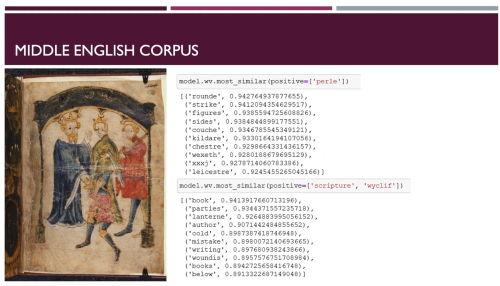
"I had a considerable amount of data collected before starting my Ph.D., but it remained unorganized, and I rarely had time to conduct analyses,” Shidqi said. “The fellowship provided both financial support and dedicated time for me to focus on this work throughout the summer. Although the program was largely independent, the introductory sessions on R and the available resources were very helpful as I explored my data.”
The fellowship provides students with project- and team-based learning experiences to better prepare them for data-centric research and aims to create a pipeline of diverse, curious, and data-savvy scholars who will be future leaders in computation. Weekly check-ins help students stay on track, while a final symposium in August allows them to reflect on their progress and share what they’ve accomplished.
“I really valued that this program gave me the time, resources, and mentorship to improve my processing and visualization of large datasets,” one former fellow said. “This skill requires significant upfront investment and pays large dividends in the long run. This program makes the upfront investment in these skills manageable and fun.”
Emily Melvin, a Ph.D. candidate in the Nicholas School of the Environment’s Marine Science and Conservation program, participated as a fellow in summer 2023 and returned as a mentor the following year.
When her team published two datasets analyzing Ocean Data Science Initiatives, Melvin gave special thanks to her summer fellowship experience for helping her gain the “skills that were necessary for this project.”
Learn more about the fellowship, read past fellows’ testimonials, and consider how it might fit into your summer plans on the Center for Computational Thinking website.